
The Bipartisan American Affordability and Jobs Act of 2026 (BAAJA) will reshape the future of American infrastructure investment. Key provisions in the bill codify rules of the road, eliminate discriminatory or unnecessary procedural bottlenecks, create new pathways to unlock projects, and streamline federal support for housing production. The important result is more certainty for clean energy, housing, and transportation projects that will grow the economy and create jobs. BAAJA also incentivizes utilities to pursue more cost effective investments and charges data centers more to cover rate relief and investment in the grid.
Note: This statement has been updated to reflect the changes in the managers’ amendment released on November 7, 2026.
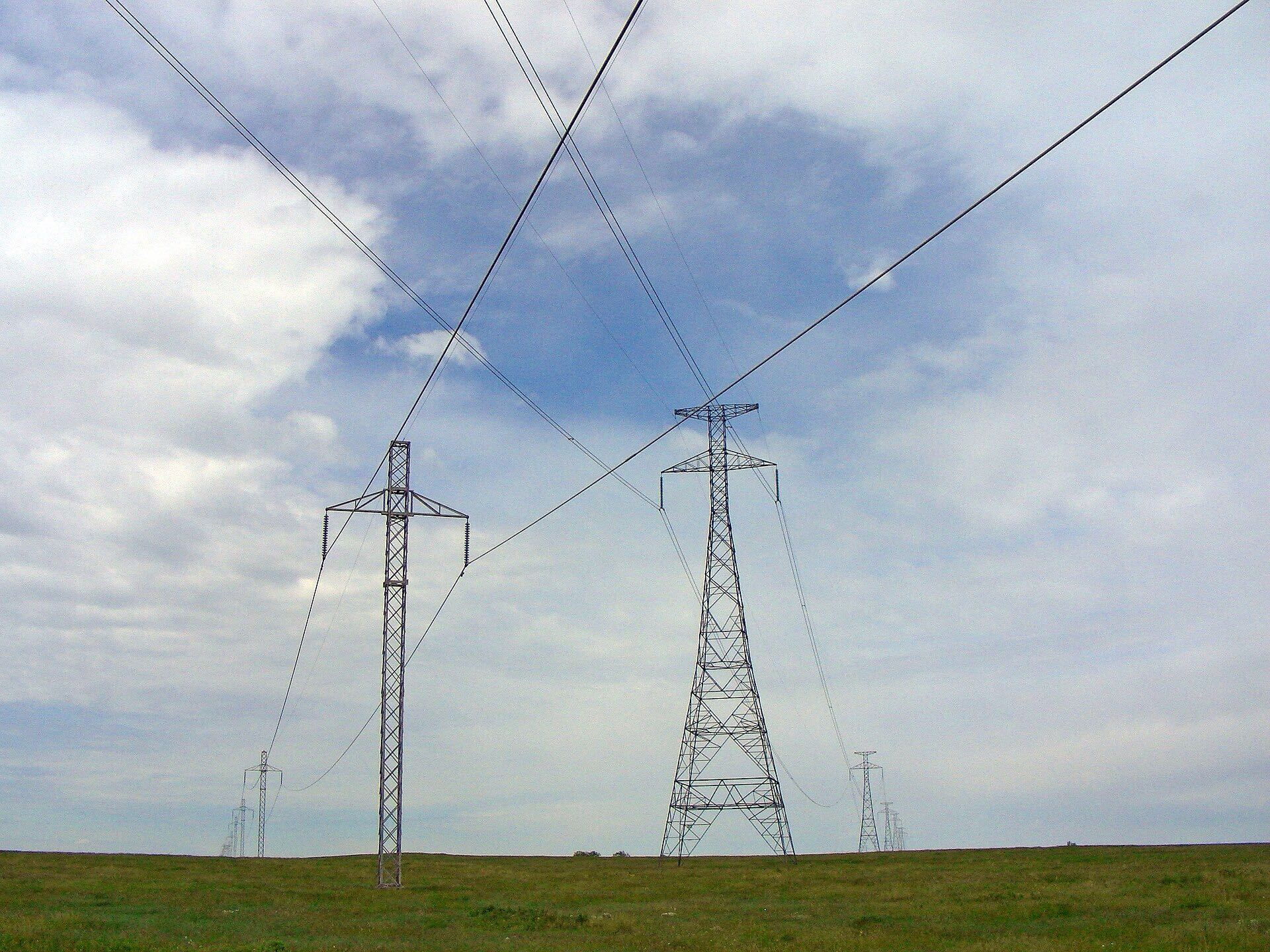
- BAAJA contains the most significant reforms to grid governance in years. It would reduce uncertainties, delays, and costs for transmission development. Transmission development remains a major constraint on lowering American emissions, interconnecting clean energy, and improving congestion and reliability. The bill creates an interregional planning process, an applicant-driven permitting process for transmission projects, and requires FERC-approved beneficiary-based cost allocation for lines meeting federal criteria, with or without a federal permit, and for projects selected in regional and interregional plans. See our report on interregional transmission for the importance of having these frameworks. BAAJA also updates eligibility for Department of Energy transmission financing to cover areas DOE identifies as constrained or congested. BAAJA would also require ISOs and RTOs to jointly plan generation, storage, and transmission, giving projects upfront, fixed interconnection fees.
- BAAJA significantly reduces the disparities in permitting on federal land between oil and gas and geothermal projects. As wind, solar, and storage resources grow, they will need a complementary, clean, and dispatchable resource available 24/7 that does not vary with the weather. One such resource is next-generation geothermal energy, which has immense potential in the U.S. BAAJA gives geothermal drilling more certainty by limiting NEPA reviews at previously drilled sites, creating a new categorical exclusion for small exploratory test drills, setting a shot clock for drilling permits, and standardizing procedures at the Bureau of Land Management.
- BAAJA will make data centers pay billions more for rate relief and grid investment. It requires FERC to modify its pricing policy such that data centers are charged for both the incremental and embedded costs of receiving transmission service, while crediting incremental charges to other ratepayers. States can build on these measures with additional charges. A Grid Strategies white paper estimates that 40.3 GW of data centers could pay $55 billion over the next ten years for transmission, with $20 billion of that returning to ratepayers as incremental charges. A floor on incremental generation costs, if applied nationwide, could raise an additional $13.6 billion per year.
- BAAJA limits the ability of utilities to block lower-cost alternatives for grid upgrades and incentivizes them to pursue more efficient investments to save consumers money. FERC must adopt a rule whereby state commissions can refer utilities to FERC and seek a finding that a utility’s local transmission planning isn’t selecting the more efficient or cost-effective projects. Utilities must also deploy advanced transmission technologies where benefits exceed costs. In both cases, utilities may face penalties on the return on equity paid to their shareholders if they do not pursue more efficient investments. Utilities can no longer claim a federal right of first refusal on projects selected in regional or interregional plans, barring exceptions in FERC’s current orders. Utilities in RTO regions must also interconnect eligible behind-the-meter resources in a timely manner, except as provided by state law or by state regulatory authorities, and cannot interfere with distributed resource access to wholesale markets.