
The Bipartisan American Affordability and Jobs Act of 2026 (BAAJA) will reshape the future of American infrastructure investment. Key provisions in the bill codify rules-of-the-road, eliminate discriminatory or unnecessary procedural bottlenecks, create new pathways to unlock projects, and change incentives for utilities and agencies. The important result is more certainty for clean energy projects that will grow the economy and create jobs.
Here, we highlight four examples. They include the interregional transmission lines necessary for load growth, next-generation geothermal resources that will provide us clean firm power, changes to utility incentives, and rail and transit infrastructure receiving federal assistance.
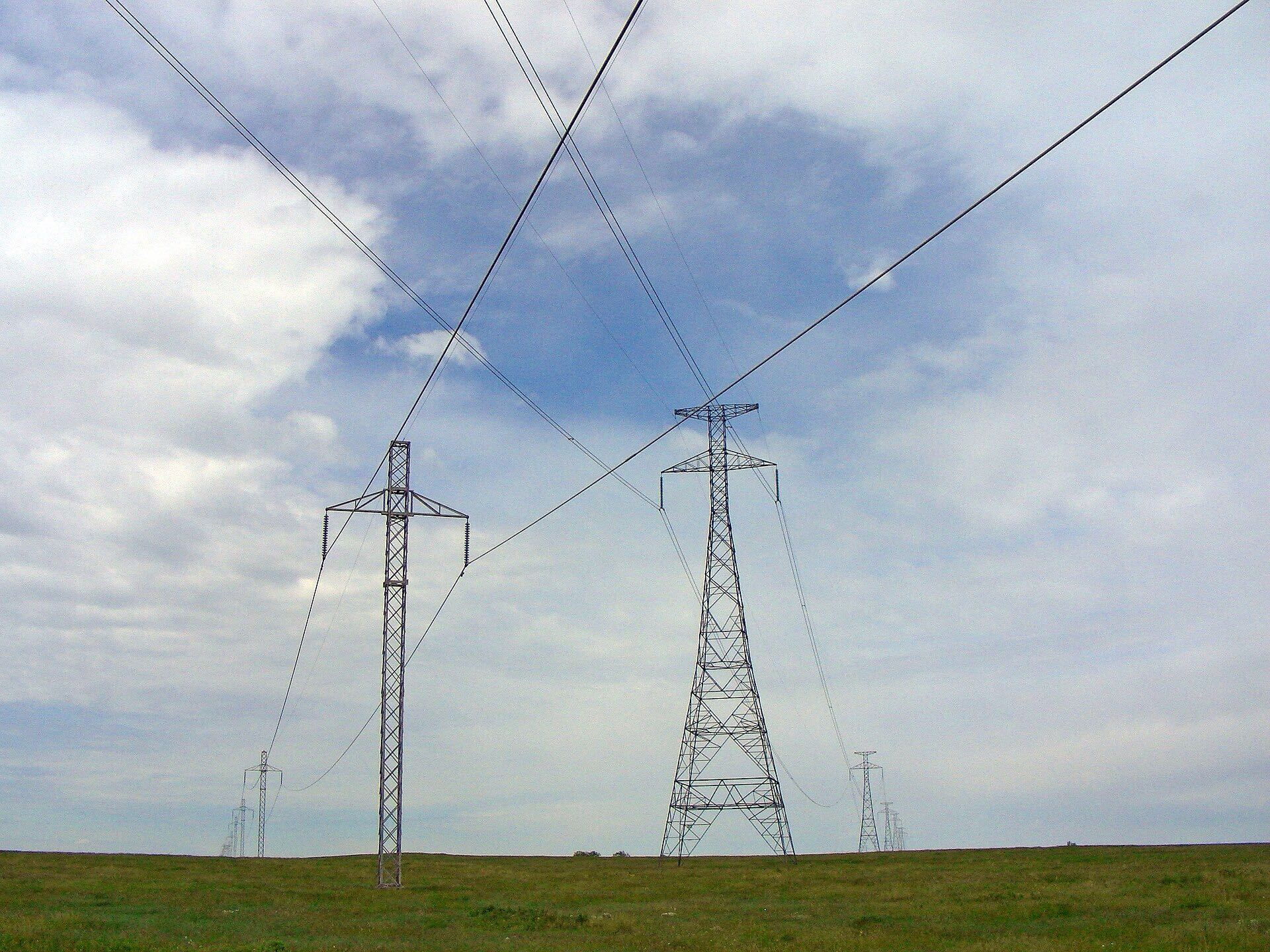
- BAAJA contains the most significant reforms to grid governance in decades. It would reduce uncertainties, delays, and costs for transmission development. Transmission development remains a major constraint on lowering American emissions, interconnecting clean energy, and improving congestion and reliability. The bill creates an interregional planning process, an applicant-driven permitting process for transmission projects, and requires FERC-approved beneficiary-based cost allocation for federally permitted lines as well as for projects selected in regional and interregional plans. See our report on interregional transmission for the importance of having these frameworks. BAAJA also updates eligibility for Department of Energy transmission financing to cover areas DOE identifies as constrained or congested. BAAJA would also see the adoption of rulemaking for the joint planning for generators and transmission so that projects can have more certainty with upfront, fixed interconnection costs.
- BAAJA significantly reduces the disparities in permitting on federal land between oil and gas and geothermal projects. As wind, solar, and storage resources grow, they will need a complementary, clean, and dispatchable resource available 24/7 that does not vary with the weather. One such resource is next-generation geothermal energy, which has immense potential in U.S. Under BAAJA, geothermal drilling is provided more certainty with limits on NEPA reviews on lands studied in the past five years, a new categorical exclusion for small exploratory test drills, a shot clock for drilling permits, and standardized procedures at the Bureau of Land Management.
- BAAJA limits the ability of utilities to block lower-cost alternatives for grid upgrades and incentivizes them to pursue more efficient investments to save consumers money. FERC must adopt a rule whereby states can refer utilities to FERC and seek a finding that a utility’s local transmission planning isn’t selecting the more efficient or cost-effective projects. Utilities must also deploy ATTs where benefits exceed costs. In both cases, utilities may face penalties on the return on equity paid to their shareholders if they do not pursue more efficient investments. Utilities can no longer claim a federal right of first refusal to build transmission selected in regional or interregional plans. Utilities in RTO regions must also interconnect eligible behind-the-meter resources in a timely manner, except as provided by state law or by state regulatory authorities, and cannot interfere with distributed resource access to wholesale markets.
- BAAJA significantly streamlines the construction of rail and transit infrastructure and removes undue administrative burden from Federal loan programs. Emissions from light-, medium-, and heavy-duty vehicles made up 80 percent of all U.S. transportation emissions. Reducing these emissions will require both vehicle electrification and grid buildout, as well as significant investments in electrified freight and passenger rail projects. Under BAAJA’s reforms, federal grants and other financial support to these projects do not trigger NEPA unless a federal agency exercises predominant control and responsibility over the use of such assistance. Non-federal projects in which the only federal involvement is a loan or loan guarantee are also excluded, meaning that transit agencies or localities can more easily tap into funding for rail, transit, and transit-oriented development without triggering NEPA just on the basis of the funding source. This makes loans or loan guarantees a more appealing source of predictable, programmatic funding. Lifeline infrastructure repairs, reconstruction, or replacement in the immediate vicinity adding no more than 20 percent capacity are also excluded from NEPA. Where NEPA would be required, lead agencies may determine if State or Tribal review can stand in for Federal processes.